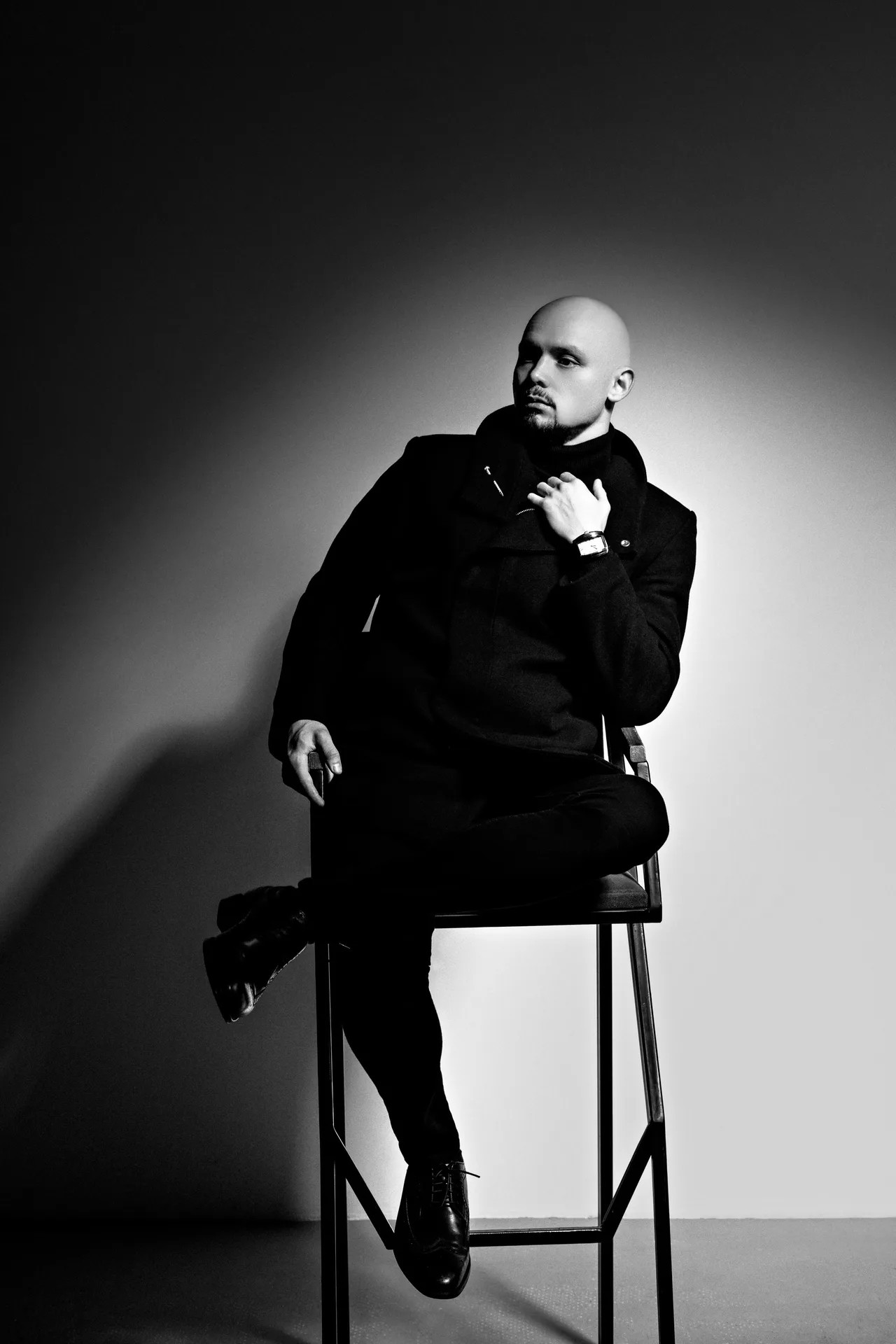
official platform
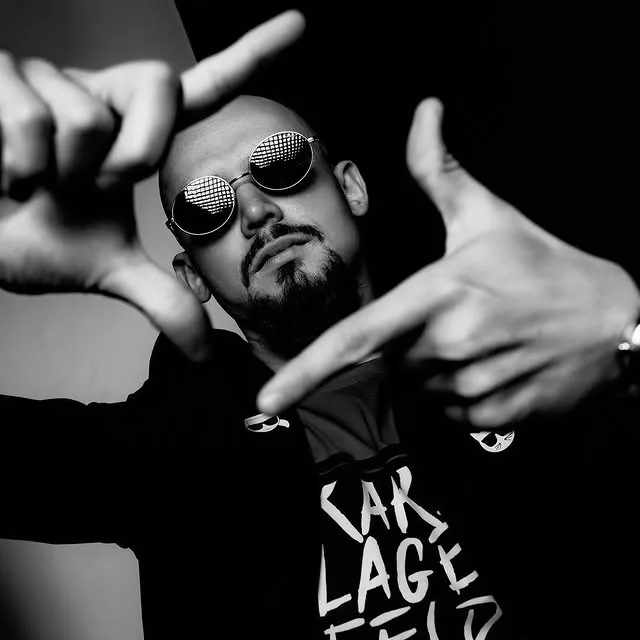
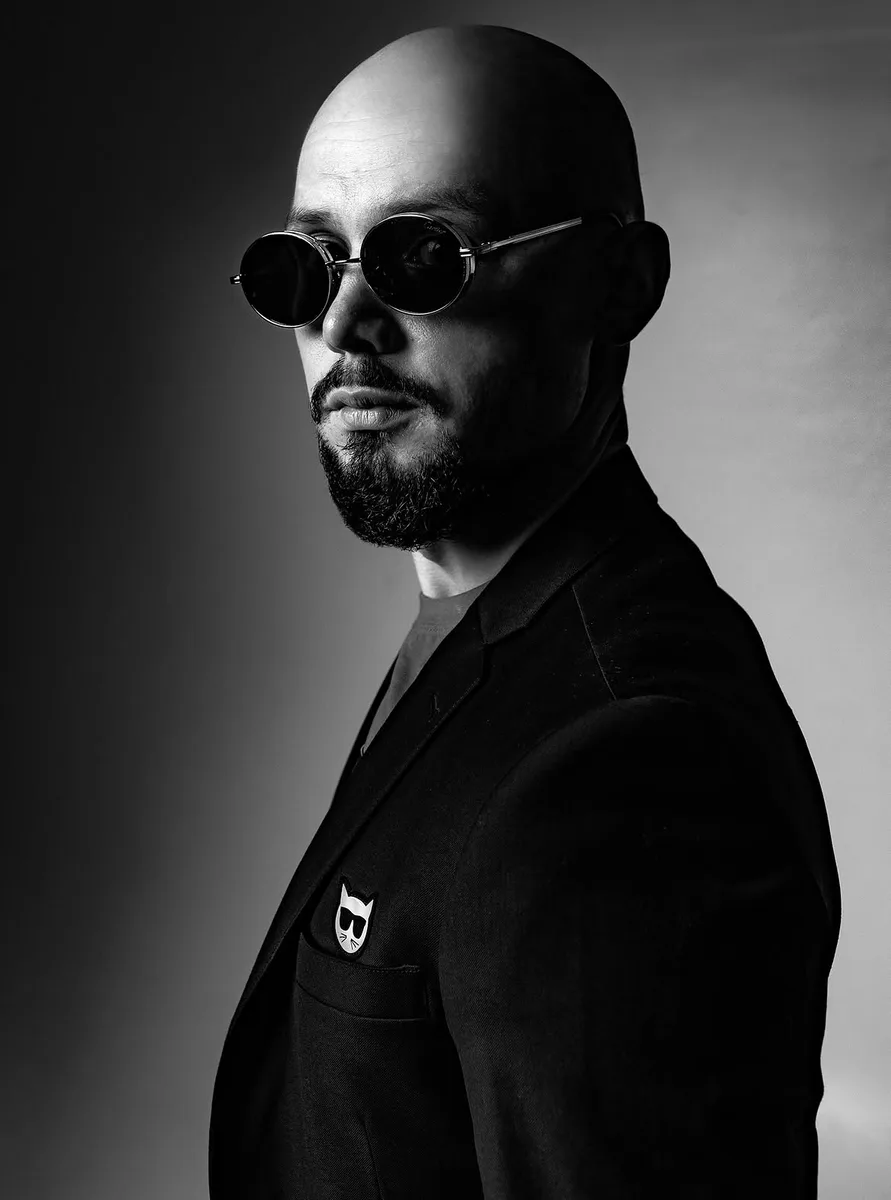
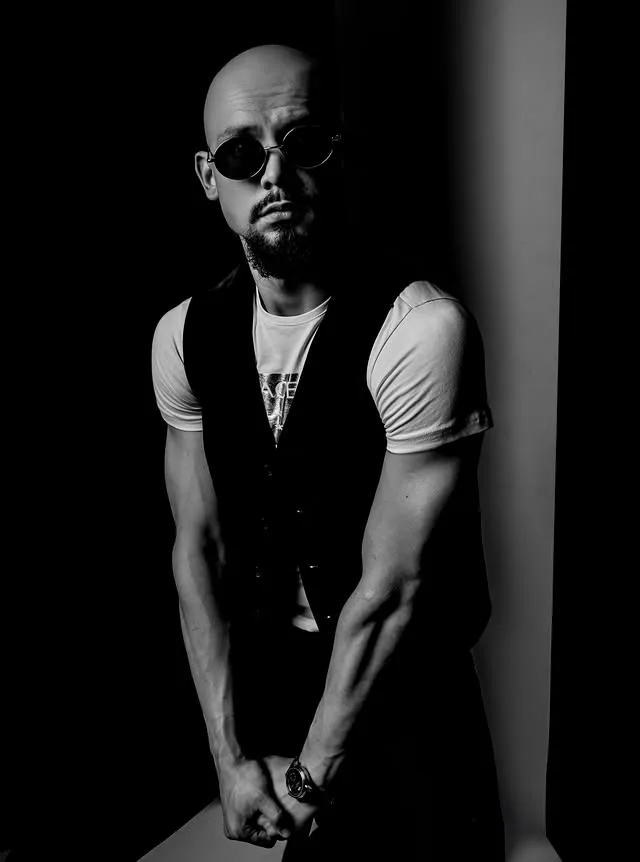
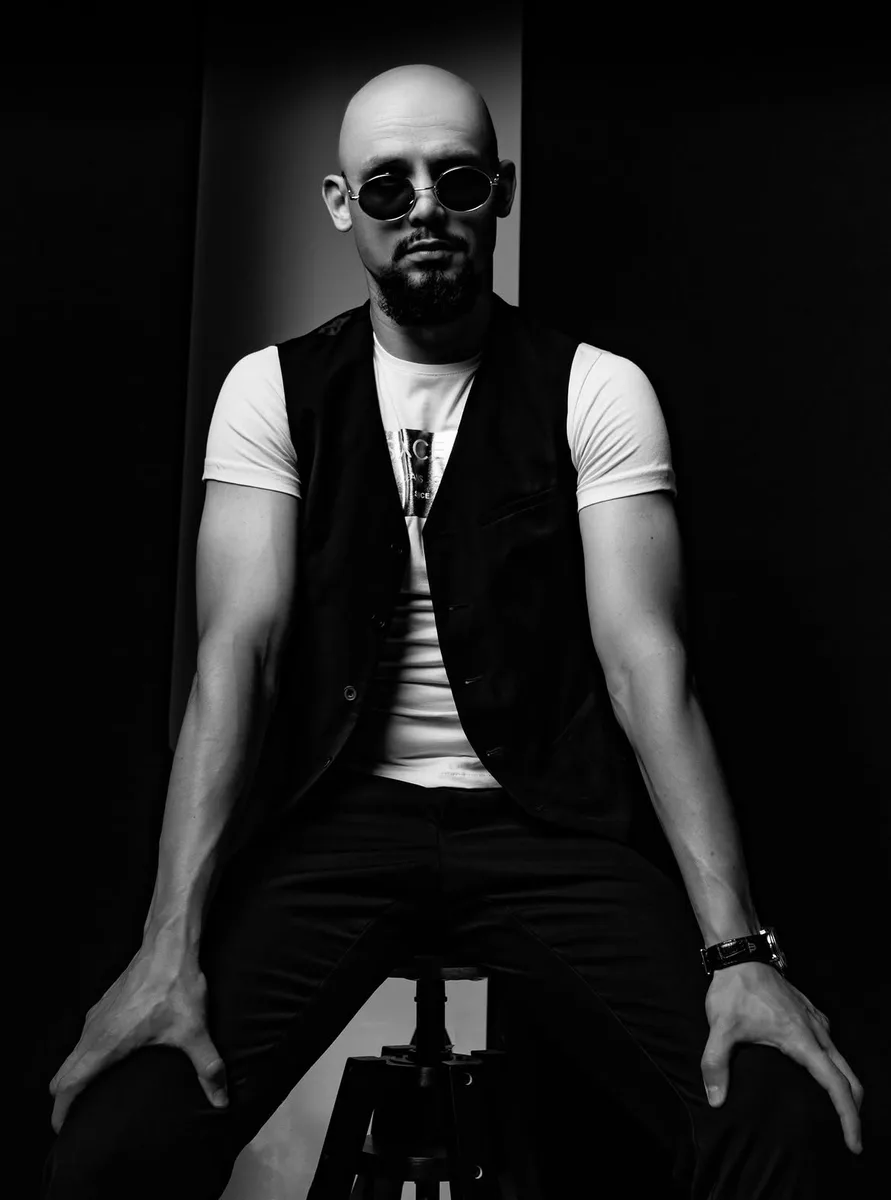
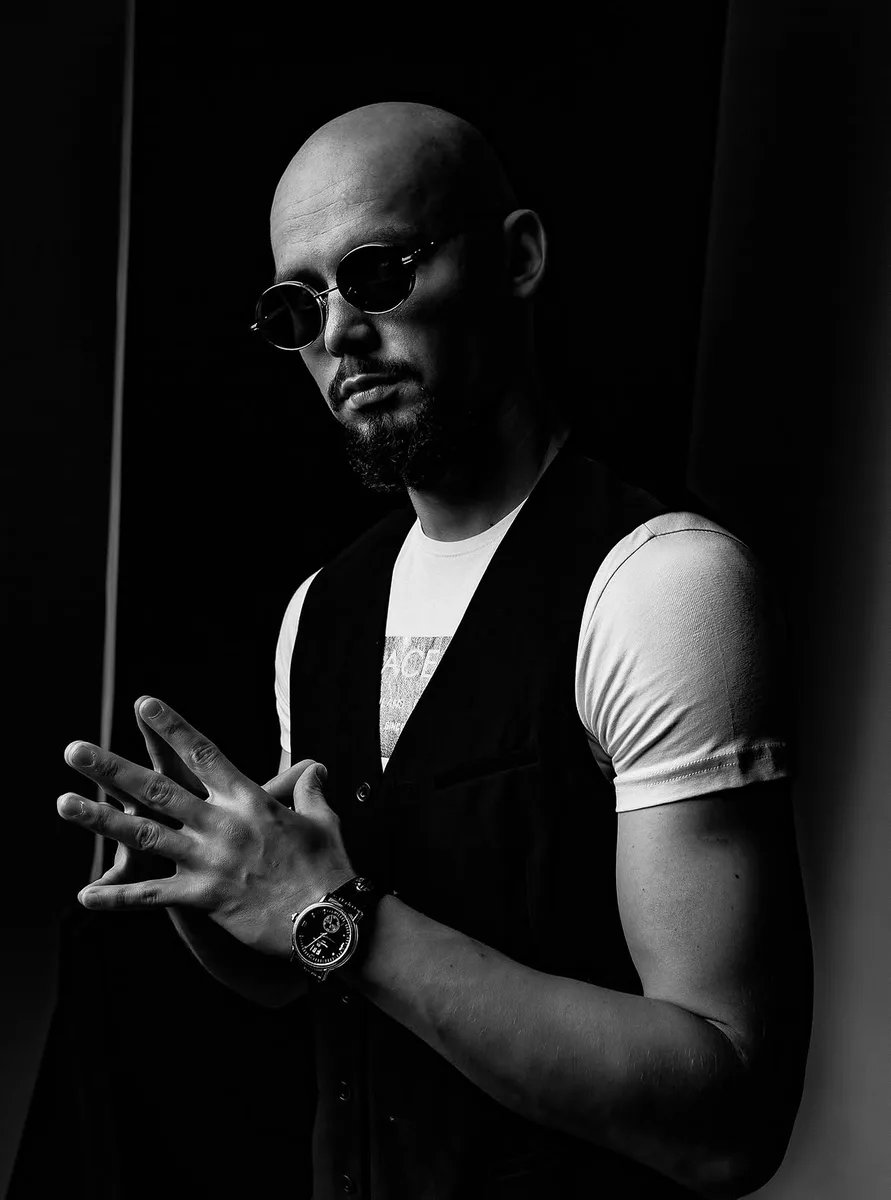
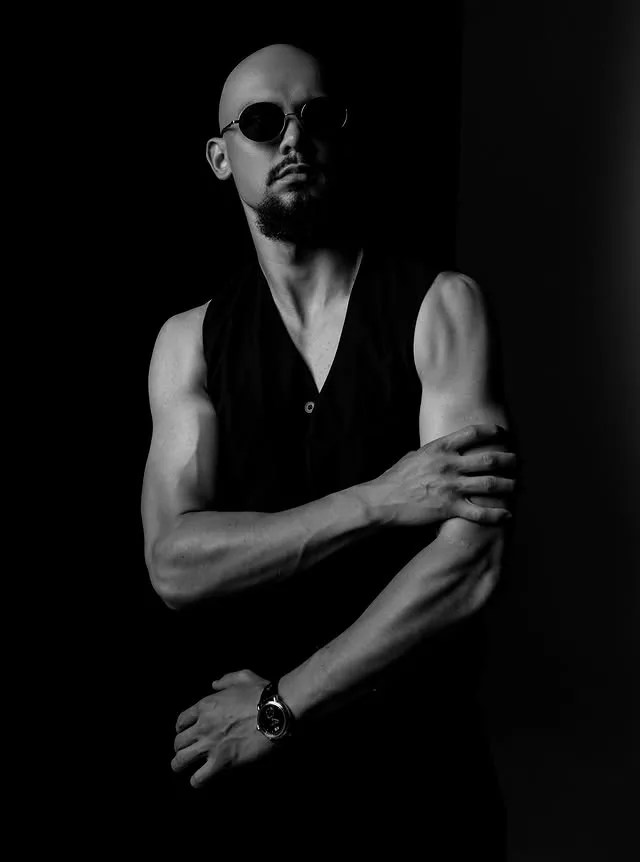
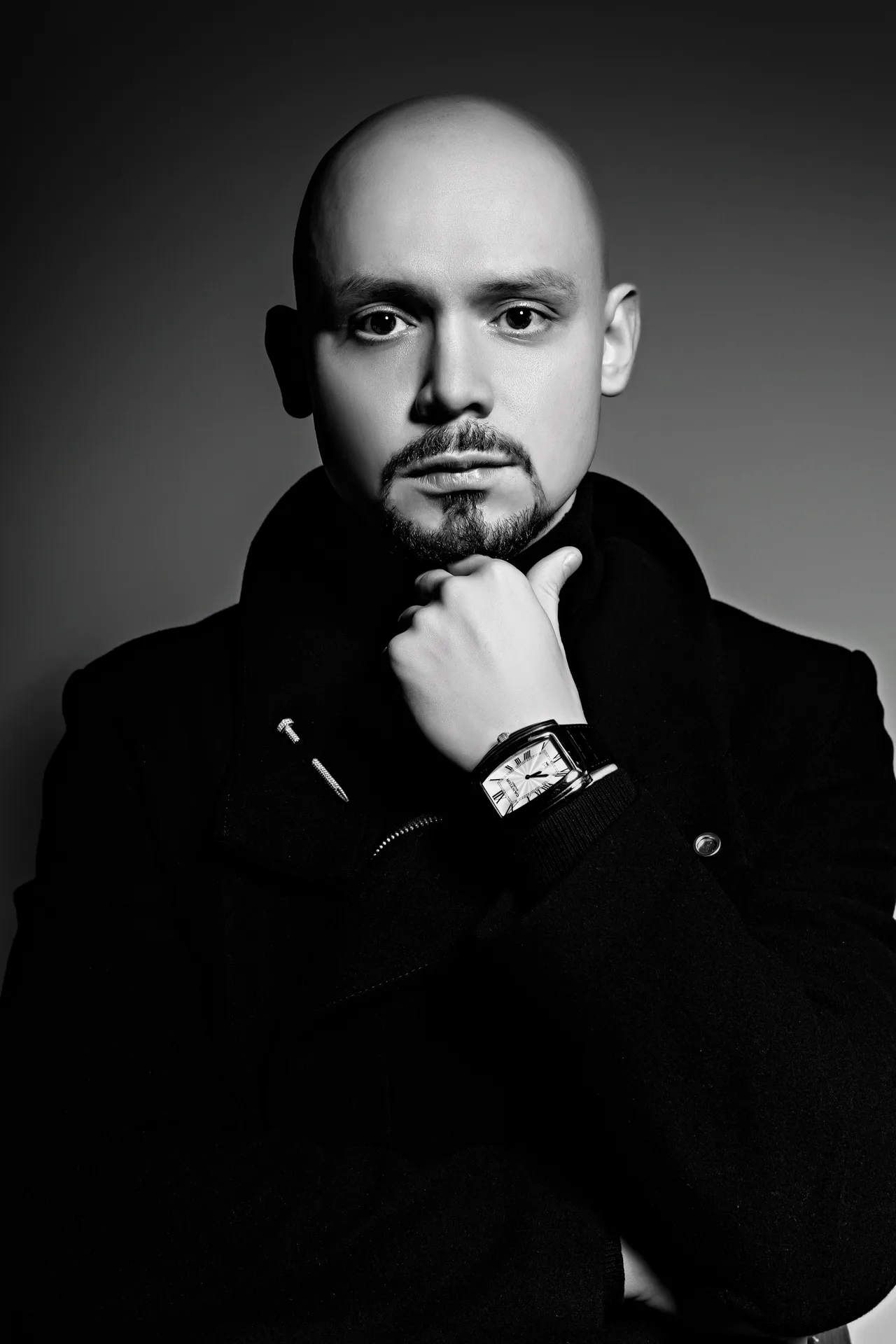
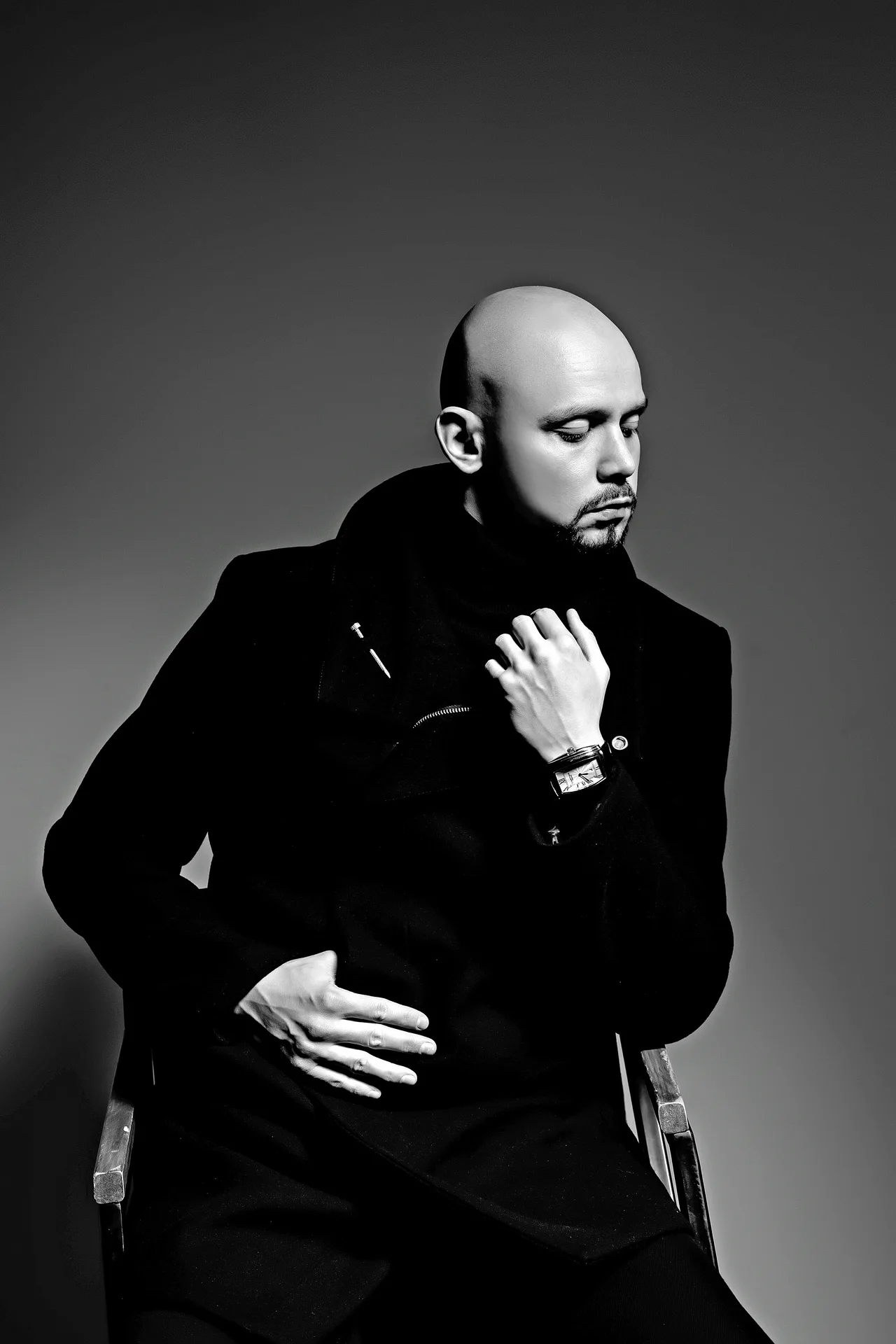
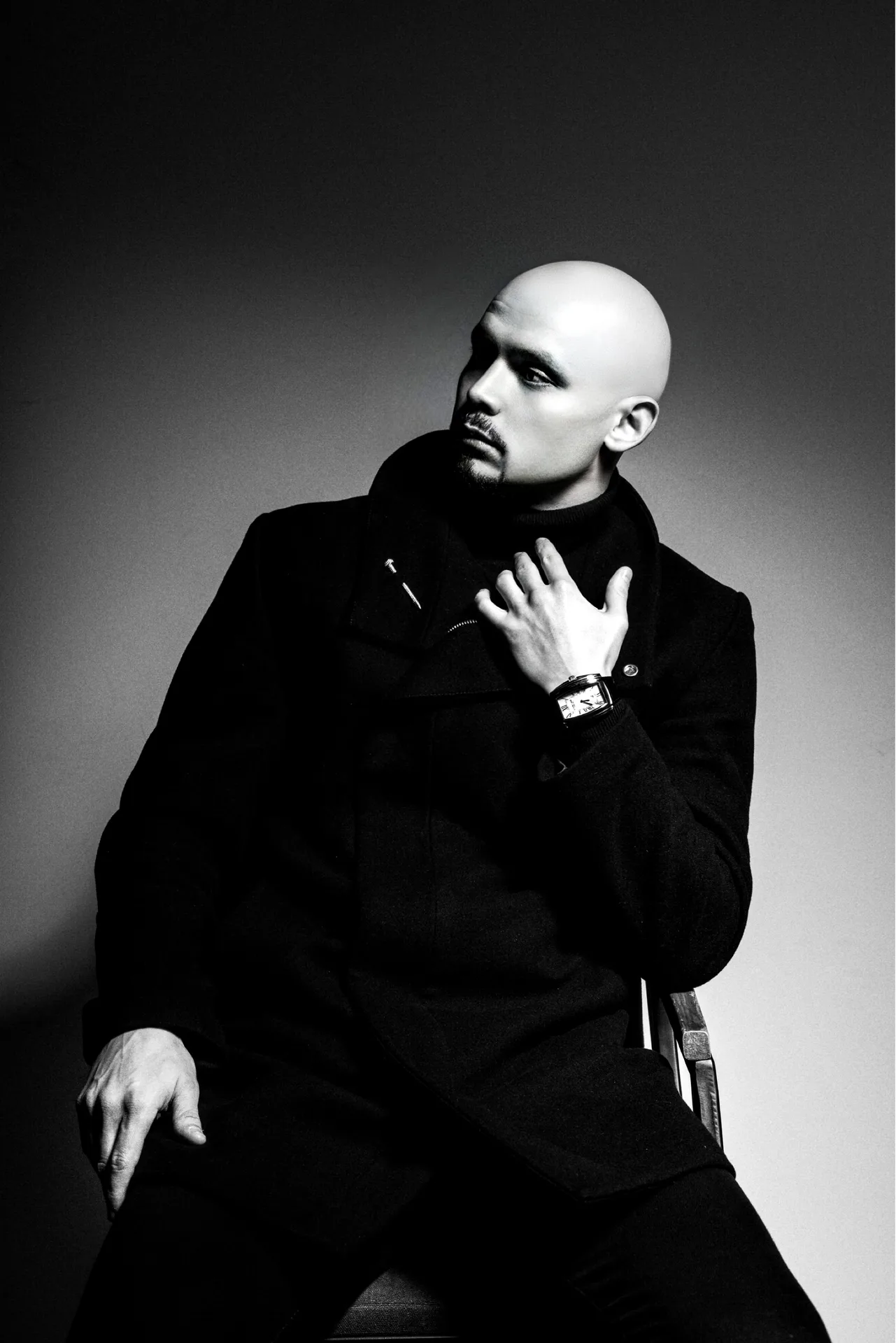
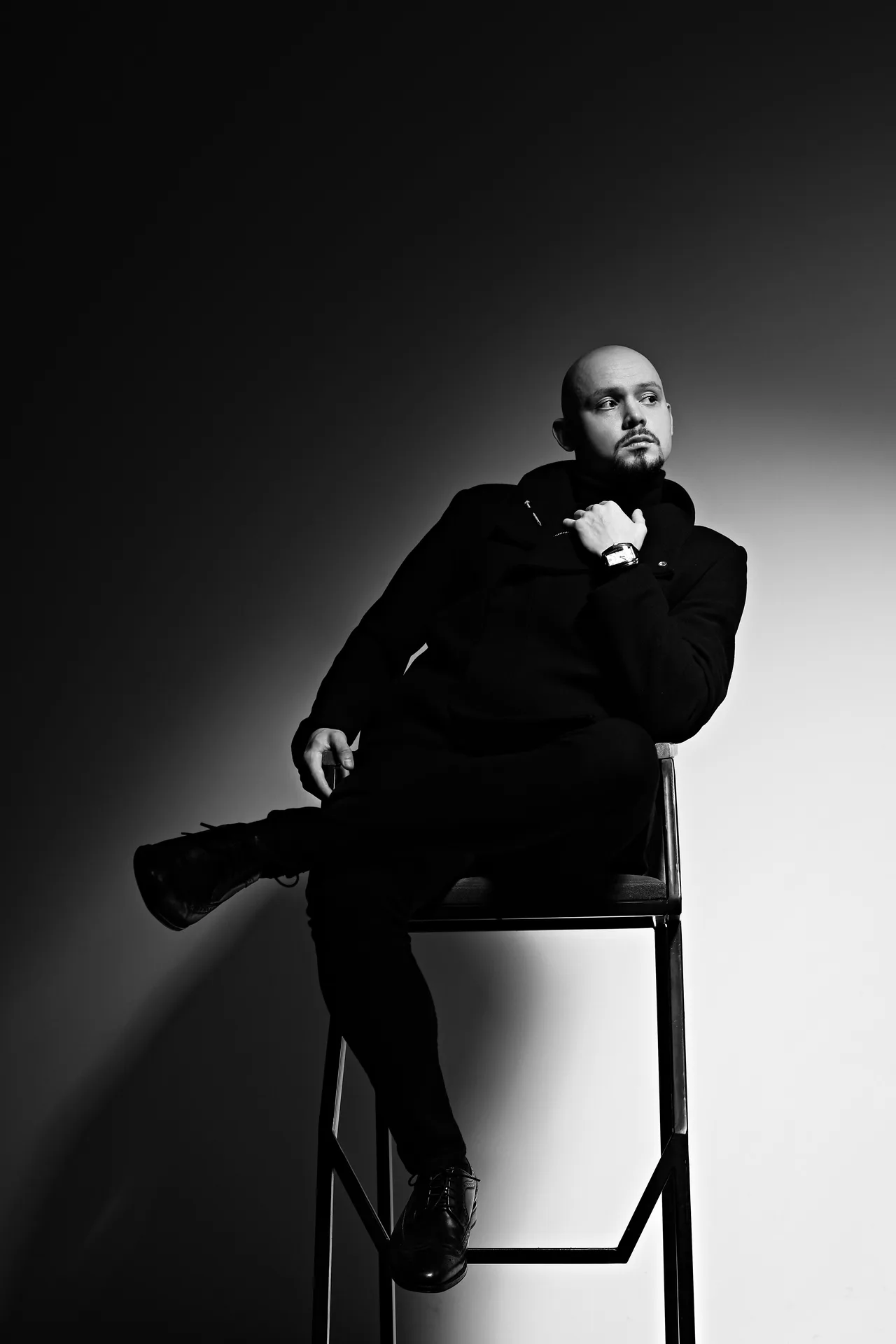
Oleksandr Larin
Ukrainian military officer, political figure, financier, manager, and designer
Scroll
A Ukrainian political figure, military officer, manager, designer, researcher, and public activist. His work spans public administration, science, psychology, philosophy, culture, design, and the development of social institutions. The foundation of his approach is systems thinking, which views the individual, the state, education, culture, and technology as interconnected components of a single model of civilizational development. At the center of his attention are questions of responsibility, freedom, the formation of a mature society, and the search for new models of organizing the modern state.
Military service and direct participation in combat operations had a significant influence on the formation of his worldview. This experience became the basis for a profound rethinking of the nature of conflicts, the value of human life, and the role of the state in preserving peace. He is convinced that long-term security must rest not only on strength, but above all on the development of society, education, science, culture, mutual responsibility, and rational dialogue.
In his work, Oleksandr Larin explores possible models of civilizational development aimed at the gradual reduction of the role of violence and weapons in human life. His vision of the future envisages the formation of a society in which peace, cooperation, critical thinking, and respect for human dignity become fundamental values, and the need for armed confrontation gradually loses its significance through the development of social institutions and culture themselves.
Oleksandr Larin is the syndic of the closed intellectual club Taste of Life, created as a space for deep self-knowledge, personal development, and the formation of a culture of conscious living. He is also the leader and ideologist of the Union for Rational Development "Thinking, Strong — Free" — a civic initiative aimed at creating a new model of society based on scientific knowledge, technological progress, and rational thinking.
In the sphere of culture and design, Oleksandr Larin is the founder and creative director of Maison Alexander Larin Deconstruction House — an authorial haute couture fashion house operating at the intersection of art, the architecture of form, and conceptual design. A separate direction of his activity is the development of official Cartier distribution in Ukraine, connected with presenting world standards of jewelry art and high luxury culture.
Alongside practical work, he engages in research and applied work in the fields of psychology, sexology, and somnology, studying the relationship between physiology, consciousness, human behavior, and the quality of life. In his practice, he pays attention to questions of personal harmonization, understanding human nature, forming healthy models of interaction, as well as the role of sleep, recovery, and psychophysiological state in human development.
His scientific interests also encompass education, culture, social development, and the creation of original concepts of personal growth. All of his projects are united by the aspiration to form holistic models of development in which science, ethics, culture, technology, and human potential constitute the foundation of long-term progress.
Oleksandr Larin considers the main goal of his activity to be the formation of a new culture of thinking and the creation of development models capable of ensuring a sustainable future for the individual, society, and the state. His philosophy is grounded in the conviction that genuine change begins with the development of consciousness, and that a mature society is formed through education, responsibility, a scientific approach, and a deep understanding of human nature.
Education and Scientific Activity
Education has always been for Oleksandr Larin not merely a stage of professional formation, but a continuous process of seeking knowledge and development. Convinced that the modern world requires specialists capable of interdisciplinary thinking, he consistently combines academic training, scientific research, and international educational programs, forming a comprehensive approach to understanding the individual, society, and the state.
He received his higher education at Taras Shevchenko National University of Kyiv — one of Ukraine's leading institutions of higher education, which became the foundation for the formation of his professional worldview. Today he continues his scientific work as a graduate student at the Institute of Postgraduate Education of Taras Shevchenko National University of Kyiv, focusing his research on questions of public administration, social development, human psychology, and modern models of social transformation.
Understanding that quality education is not limited to the boundaries of a single country or a single university, Oleksandr Larin systematically expands his own competencies through international educational programs. Among them is a certified program of Harvard University devoted to psychology, which allowed him to deepen his knowledge of the patterns of human behavior, decision-making mechanisms, and the functioning of the psyche. A separate direction of professional development is study under the Sorbonne program in the field of human resources management, which complemented practical experience with modern European approaches to leadership, building effective teams, and strategic management of human capital. A significant interest in aesthetics, culture, and creative industries found its continuation in completing the educational program of Antwerp University devoted to fashion and design, which became another step in forming his authorial vision of contemporary design and the development of his own brand.
The scientific activity of Oleksandr Larin is based on the aspiration to explore complex questions located at the intersection of the humanities, social sciences, and natural sciences. One direction of his research became experimental work devoted to the possibilities of applying maieutic methods and deep psychological immersion in comprehensive work with mental disorders, including schizophrenia. The results of this research were set out in a scientific article that became part of a broader scientific discussion regarding the search for new approaches to understanding the human psyche and the prospects for the development of modern psychotherapy.
A special place among his scientific interests is occupied by psychoanalysis, clinical psychology, sexology, and somnology. Many years of studying these disciplines are combined with systematic practical work, analysis of contemporary scientific research, and completion of specialized educational programs. Scientific works devoted to questions of human psychosexual development, sleep quality, neuropsychological mechanisms of behavior, and the relationship between physiological and psychological processes were presented in the format of professional scientific publications reflecting the interdisciplinary character of his research activity.
A separate direction of scientific inquiry is philosophy, religious studies, theories of evolution, the nature of consciousness, models of the origin of the Universe, and modern concepts of quantum physics. In Oleksandr Larin's view, it is precisely the combination of knowledge from different fields of science that makes it possible to approach a deeper understanding of the patterns of human and civilizational development. He views science not as a collection of separate disciplines, but as a unified system of knowledge capable of explaining complex social, economic, and psychological processes.
In his scientific activity, he consistently adheres to the principle that knowledge must have practical value. That is why most of his research is aimed not only at the theoretical comprehension of contemporary challenges, but also at the search for tools that can be used for personal development, the improvement of public administration, the modernization of social institutions, and the enhancement of the quality of human life.
Military Service
Military service became one of the most important stages in the professional formation of Oleksandr Larin, shaping practical experience of working under conditions of high responsibility, strategic planning, and decision-making in the sphere of national security. It was precisely this direction of activity that allowed him to gain a deep understanding of the principles of the defense sector's functioning, the features of public administration in crisis conditions, and the significance of effective interaction between institutions that ensure the country's defense capability.
During his service, he held leadership positions within the structure of the Ministry of Defense of Ukraine, where he was involved in managerial processes and work related to improving the functioning of individual directions of the defense sphere. At the center of his professional attention were questions of increasing the effectiveness of managerial mechanisms, optimizing internal processes, and introducing modern approaches to the development of the defense system. Practical experience of working in a central executive body made it possible to obtain a comprehensive understanding of the functioning of the state security sector and the challenges it faces under contemporary conditions.
An important component of his military path was direct participation in combat operations, as a result of which he acquired the status of a combat veteran. This experience became not only a professional trial, but also substantially influenced the formation of his worldview. Having directly confronted the consequences of war, he became convinced that the highest value is human life, and that the main task of the international community must be the creation of mechanisms that will make the outbreak of wars impossible in the future. That is why he supports the idea of gradual global disarmament, strengthening international institutions, and developing diplomatic mechanisms capable of ensuring the resolution of interstate conflicts through dialogue, negotiations, and mutual understanding, rather than the use of force. In his view, the true strength of modern civilization lies not in the ability to wage wars, but in the ability to prevent them.
The knowledge acquired and practical experience allow Oleksandr Larin to consider questions of security not exclusively in the military dimension, but as a comprehensive system combining effective public administration, economic resilience, the development of human capital, technological innovation, and international partnership. In his view, modern defense policy must be grounded not only in responding to threats, but also in the systematic development of institutions capable of ensuring the long-term security of the state and its citizens.
State and Political Activity
The political and civic thinking of Oleksandr Larin was formed as a response to the need to rethink modern models of governing the state and society. Practical experience in public administration, military service, economics, and interdisciplinary research led him to the realization that existing political and socio-economic systems increasingly fail to keep pace with the development of science, technology, and the level of complexity of the modern world.
This became the basis for the formation of his own conceptual development platform — the Union for Rational Development "Thinking, Strong — Free", which arose as a response to the demand for creating a more systematic, long-term, and scientifically grounded approach to the development of the state and society.
The Union for Rational Development "Thinking, Strong — Free" is a civic initiative aimed at forming a new model of social development, at the foundation of which lie rational thinking, a scientific approach, and the priority of human potential. Its key idea is that the development of civilization must be grounded not on the conflict of interests, but on the systematic analysis of resources, the possibilities of science, and the long-term consequences of decisions made.
At the center of the concept is the human being as the principal value and the main bearer of development. All social institutions — the economy, the state, education, medicine, law, technology — are viewed as tools that must work to enhance the quality of life, develop consciousness, and reveal the potential of the individual.
One of the basic principles is the rethinking of the economic system. In this model, the economy is not viewed as an end in itself or a mechanism of continuous competition, but as an instrument for the effective distribution of resources, the development of technology, and the provision of basic and extended human needs. Special attention is devoted to automation, the development of artificial intelligence, digital management systems, and scientifically grounded planning.
The second key direction is the priority of science and technology. The Union proceeds from the premise that the scientific method is the most reliable instrument for decision-making in complex systems. The development of fundamental and applied sciences, medicine, biotechnology, neuroscience, energy, and longevity technologies is viewed as the foundation of future social progress.
Separate attention is devoted to education as a continuous process of human formation. The educational model supported by the Union is oriented toward the development of critical thinking, the capacity for analysis, a creative approach, interdisciplinary vision, and responsible decision-making. Education is viewed not as a stage of life, but as a permanent instrument of personal development.
An important component is the humanistic principle of social development. It envisages the gradual reduction of conflict in international relations and a transition to a system in which dialogue, diplomacy, scientific analysis, and cooperation take priority over forceful methods of resolving contradictions. In the long-term perspective, this is viewed as a path toward a more stable and safer global environment.
Significant attention is also devoted to social balance and access to resources for development. This concerns the creation of conditions in which every person has access to knowledge, medicine, technology, and opportunities for self-realization regardless of social or economic background.
The strategic goal of the Union for Rational Development is to form a society that functions as a holistic, balanced system in which science, technology, the economy, culture, and governance work in coordination, and the principal criterion of effectiveness becomes the quality of human life and the level of development of human potential.
In this model, the development of the state is viewed not as a struggle of interests, but as a long-term process of societal evolution grounded in knowledge, rationality, and responsibility for the future.
Finance and Economics
The financial and economic direction of Oleksandr Larin's activity was formed through practical experience of working with capital markets, entrepreneurship, and the management of business processes across various sectors of the economy. At the early stages of his professional path, he was engaged in trading and the implementation of entrepreneurial projects, which allowed him to study in practice the mechanisms of financial market functioning, investment flows, risk management, and behavioral economics.
Experience of working in the business environment provided a deep understanding of how economic systems are formed at the level of the interaction of capital, management, demand, and technological development. In the course of this activity, special attention was devoted to questions of the effectiveness of managerial decisions, business scaling, the building of organizational structures, and strategic planning.
Gradually, practical experience was transformed into a more systematic vision of the economy as a holistic model of social development. Oleksandr Larin came to the conclusion that the modern economic system requires rethinking in the context of global technological change, automation, the development of artificial intelligence, and the growing role of knowledge as a key resource.
Within this approach, the economy is viewed not as an end in itself or an instrument of exclusively competitive struggle, but as a mechanism for ensuring the long-term development of society, enhancing the quality of life, and the effective use of resources. Special attention is devoted to the transition toward models in which technology, science, and digital management systems make it possible to optimize production, reduce systemic imbalances, and raise the overall level of well-being.
An important stage in the formation of this vision was the transition from purely practical financial activity to the conceptual comprehension of the economy as part of a broader system — an interconnected complex of public administration, science, education, technology, and social processes. It was precisely in this context that the ideas forming the foundation of the Union for Rational Development "Thinking, Strong — Free" took shape.
In this approach, economic processes are viewed as an instrument for the development of the individual and society, rather than as an isolated sphere. The priority becomes long-term planning, scientifically grounded resource management, the development of innovation, and the gradual transformation of the system toward greater rationality, stability, and technological efficiency.
Thus, economic activity and practical business experience became the foundation for the formation of a broader systemic vision in which finance, management, and technology are integrated into a unified model of social development.
Social and Intellectual Activity and Work with Personality
Within the framework of his professional and conceptual activity, Oleksandr Larin develops a direction connected with the in-depth study of the human personality, its motivational structures, behavioral models, and decision-making mechanisms. This direction is a logical continuation of his interdisciplinary approach, in which psychology, social sciences, analytics, culture, and practical tools of development are united into a single system of understanding the human being.
In modern society, where a significant part of choices is formed under the influence of external factors, information flows, and socially imposed scenarios, the need to create structured systems of self-knowledge acquires particular relevance. In this context, Oleksandr Larin is the syndic of an elite club of a new generation — a closed intellectual and practical system aimed at deep knowledge of the personality and the conscious formation of life decisions.
The key project in this direction is Taste of Life — a closed intellectual and practical system combining a scientific approach, practical psychology, analytical thinking, and cultural depth. Its concept is based on the idea that human development begins with a deep understanding of one's own nature, rather than with adaptation to external social scenarios.
The principal task of activity within Taste of Life is to create conditions in which a person can separate their own authentic desires from imposed models of behavior, social attitudes, and automatic reactions. Such an approach makes it possible to move from a reactive way of life to the conscious formation of one's own life trajectory.
Work with participants within Taste of Life is built as a systematic process that includes in-depth analysis of individual characteristics of personality, thinking, emotional reactions, and life experience. On this basis, a holistic model of the internal structure of the human being is formed, which makes it possible to identify key motivational mechanisms and potential vectors of development.
A separate stage of work is devoted to the study of unconscious processes, internal conflicts, and hidden psychological scenarios that influence decision-making. This makes it possible to identify the deep causes of human behavior and to understand the logic of life choices on a more fundamental level.
The subsequent stage is the formation of structured strategies for the realization of personal goals, in which psychological analysis and practical tools for transforming one's way of life, social environment, professional trajectory, and overall quality of life are combined. Such an approach ensures the transition from awareness to concrete results in real life.
A separate role in personal development is played by integration into cultural, creative, and professional environments, which makes it possible to expand social experience, form new connections, and raise the level of involvement in contemporary intellectual and creative industries.
Overall, this direction is part of a broader concept of development in which the human being is viewed as a multidimensional system requiring simultaneously deep internal understanding and practical realization of potential. It is precisely the combination of analytics, psychology, and a structured approach to life that forms the foundation of this activity.
Collaboration with Brands and the Aesthetics Industry
A separate direction of Oleksandr Larin's activity is work with the international luxury industry, the fashion environment, and brands that shape global standards of jewelry art, watchmaking culture, and high-level aesthetics. This direction encompasses the development of market communications, curatorial formats of interaction, and the formation of access to premium products within the local market of Ukraine.
Within this direction, special attention is devoted to the Cartier brand as one of the key symbols of the global luxury industry. The activity is focused on work with products of the premium segment, including the organization of supply and access to original items through international partner channels that ensure the arrival of goods from the brand's official production and distribution system in the global context.
Such an approach does not envisage retail trade, but a curatorial and intermediary format of work with luxury products, where the key elements are control of quality of origin, authenticity, and compliance with international brand standards. The principal focus is directed toward forming structured access to collectible and premium items for the private client segment.
In parallel, work is carried out with rare and collectible items in the sphere of jewelry art, watches, niche perfumery, and the fashion industry. This direction envisages curatorial selection, individual work with items, and the formation of personalized aesthetic solutions within the luxury segment.
Additionally, the activity encompasses collaboration with creative studios, design projects, and fashion initiatives that shape the new aesthetic infrastructure of Ukraine, integrating global brand standards into the local cultural context.
Thus, this direction combines the international luxury industry, creative environments, and conceptual platforms for the development of aesthetics and style, forming a multilevel system of cultural and market interaction.
Design and Fashion
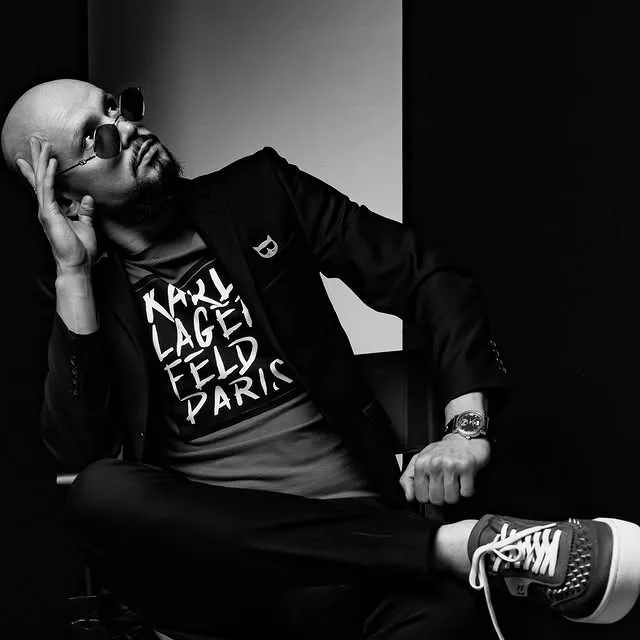
A separate direction of Oleksandr Larin's activity is the sphere of fashion, design, and the formation of aesthetic systems in which clothing, space, and visual identity are viewed as a unified structure of human self-expression. This direction was formed at the intersection of practical experience in the fashion industry, participation in runway shows, and the subsequent transition to the creation of authorial conceptual design solutions.
The initial stage of his activity is connected with work as a model in runway shows, where practical experience was gained of interacting with the fashion industry from within — from the structure of shows and the work of design teams to an understanding of the mechanisms of image formation, silhouette, and the visual code of a brand. This experience became the foundation for the subsequent transition from participation in the fashion industry to its conceptual rethinking.
The subsequent logical stage was the founding of the authorial brand Alexander Larin Deconstruction House — a conceptual design platform built on the principles of deconstruction of form, structure, and traditional notions of fashion. At the foundation of the brand lies an approach in which clothing ceases to be merely a functional or decorative element and is transformed into an instrument of intellectual, cultural, and aesthetic expression.
The philosophy of the brand is based on the idea of deconstruction as a method of rethinking form through its disassembly, analysis, and reassembly in a new logic. In the fashion context, this manifests itself in work with asymmetry, unfinished forms, open garment construction, and intentional violation of classical proportions. Such an approach corresponds to contemporary directions of deconstructivism in fashion, where fragmentation, layering, and the rethinking of familiar constructions become part of a new design language.
The key idea of Alexander Larin Deconstruction House is the creation of clothing as an intellectual object reflecting the internal complexity of the personality and its interaction with the modern world. Each item is viewed not as a separate element of a wardrobe, but as part of a holistic system capable of shaping worldview, individual style, and a new type of aesthetic thinking.
Within this approach, fashion is combined with architectural thinking, cultural theory, and the analysis of the structure of form. Clothing is viewed as a kind of architecture for the human being, where what matters is not only materials or silhouette, but also the conceptual logic of building an image, its internal dynamics, and its capacity to influence the perception of the personality.
An important component of this direction is also the development of interior design and spatial solutions within the Taste of Life project. Its concept is grounded in the conviction that the space in which a person lives, works, and rests directly influences their psychological state, productivity, creative potential, and quality of life. That is why design is viewed not only as the creation of a beautiful interior, but as comprehensive design of an environment that corresponds to the individual characteristics of a person, their lifestyle, values, and internal needs.
In creating interiors, the principles of contemporary architecture, functional design, the psychology of spatial perception, and aesthetics are combined. Each project is aimed at forming an environment that not only meets high standards of comfort, but also positively influences the emotional state, thinking, and everyday effectiveness of the human being.
The activity of Oleksandr Larin in the sphere of fashion and design extends far beyond the creation of individual items of clothing or interiors. It represents a holistic concept of forming an aesthetic environment in which culture, philosophy, psychology, architecture, and functional design are combined. The principal goal of this approach is the creation of space and image that not only meet contemporary standards of aesthetics, but also contribute to the harmonious development of the human being, the revelation of their potential, and the enhancement of the quality of life.
Psychology and Human Development
Oleksandr Larin carries out activity in the sphere of studying the human psyche, behavioral patterns, and the relationship between psychological, physiological, and social factors that shape the personality and determine its life scenarios. This direction combines practical interaction with people, an analytical approach to behavior, and the systematic study of internal motivational structures.
In his work, an in-depth analytical format of interaction is applied, in which the principal focus is shifted from surface-level requests to the identification of hidden mechanisms of decision-making, automated reactions, and recurring life scenarios. Analysis is built on the basis of the structure of speech, the logic of thought construction, emotional reactions, and behavioral manifestations in the process of ordinary communication, which makes it possible to form a holistic understanding of the internal organization of the human psyche.
The sexological direction within this activity is viewed as an interdisciplinary plane combining psychology, physiology, social sciences, and behavioral analytics. At the center of attention is the formation of sexual identity, individual models of intimacy, and the influence of the sociocultural environment on the intimate sphere of the human being. Sexual behavior is analyzed as part of the overall system of decision-making and emotional regulation, which includes the level of trust, attachment, personal boundaries, and ways of interaction in relationships. Additionally, research is conducted into how early attitudes, cultural norms, and social scenarios shape a person's notions of intimacy and interaction, and how this influences their behavioral strategies in the long-term perspective.
The somnological direction is focused on the study of sleep as a basic physiological and cognitive process that directly determines the quality of mental state, the level of productivity, and emotional stability. The structure of sleep, its cycles and phases are examined, as well as the influence of sleep disorders on cognitive functions, the level of impulsivity, and the capacity for decision-making. Special attention is devoted to the influence of the modern way of life, information load, and stress factors on the recovery of the nervous system. Sleep is analyzed as a key mechanism of psychic regulation on which the long-term stability of behavioral and emotional processes depends.
Within this direction, an approach to the systematic collection and analysis of behavioral data, observations, and analytical models is also being formed. The information obtained is structured in the form of conceptual studies that can be used for the preparation of scientific publications in specialized and interdisciplinary editions.
The overall focus of the activity is directed toward understanding the psyche as a multilevel system that includes cognitive, emotional, behavioral, and physiological components. Attention is concentrated on how internal limitations and automated behavioral scenarios are formed, and in what way they can be made conscious through analytical work, observation, and reflection.
Thus, this direction combines practical work, a research approach, and interdisciplinary study of the human being as a complex system in which the psyche, behavior, and physiology are in constant interaction.
Lecturing and Educational Activity
Oleksandr Larin carries out lecturing activity in the sphere of interdisciplinary human development, combining in his presentations topics of psychology, social behavior, economic thinking, bodily practices, and modern models of self-development. His lecture format is based on the combination of an analytical approach, practical experience, and structured explanation of complex social and personal processes.
Within educational presentations, contemporary economic systems and their influence on human behavior, models of social interaction, and the transformation of values in the context of global change are examined. Special attention is devoted to the analysis of how the economic environment shapes thinking, choices, and life strategies of the human being, as well as what tools make it possible to interact consciously with these processes.
A separate block of lectures is devoted to mental coaching and the development of cognitive skills. In this direction, methods of structuring thinking, work with internal attitudes, the formation of a strategic approach to decision-making, and the development of the capacity for self-reflection are examined. The principal emphasis is placed on practical tools for increasing the effectiveness of thinking and behavior.
An important part of educational activity comprises topics of psychology, sexology, and somnology as elements of a comprehensive understanding of the human being. In the lecture format, these disciplines are viewed as interconnected systems that influence emotional state, quality of life, interpersonal relationships, and overall psychophysiological stability. The mechanisms of behavioral pattern formation, the influence of sleep on cognitive functions, and the role of psycho-emotional state in decision-making are examined.
Lectures are built in the format of open analytical dialogue, in which complex theoretical models are explained through practical examples, observations, and structural analysis of real-life situations. Such an approach makes it possible to combine academic logic with applied understanding of human behavior.
Thus, lecturing activity is part of a broader educational and research practice aimed at forming a holistic understanding of the human being as a system in which thinking, emotions, behavior, and the social environment interact.
Sports, Healthy Lifestyle, and Physical Development
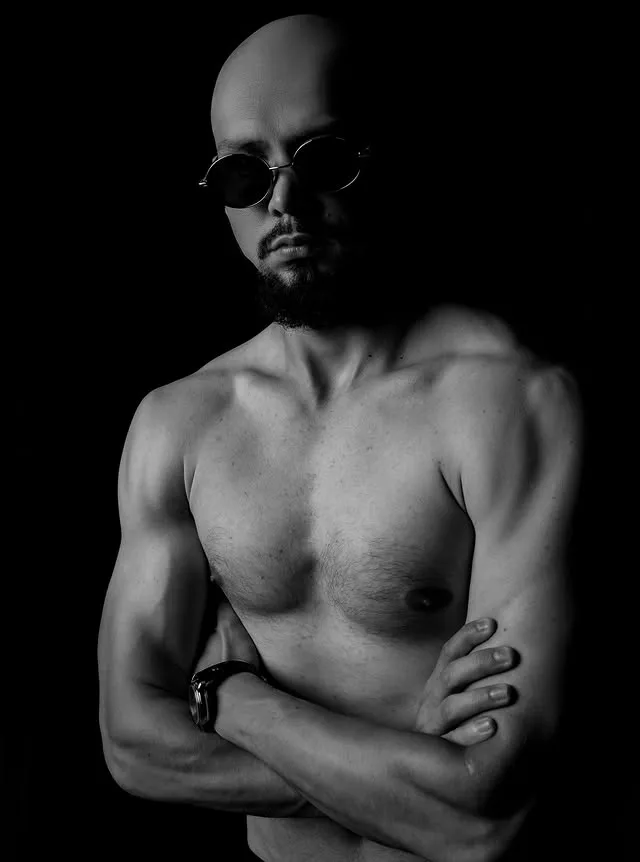
Physical development and a healthy lifestyle are an integral component of Oleksandr Larin's worldview and one of the key directions of his activity. He is convinced that a strong society cannot be built without physically healthy, disciplined, and conscious people, since intellectual development must be harmoniously combined with physical endurance, self-control, and a responsible attitude toward one's own body.
Oleksandr Larin is an active promoter of a healthy lifestyle, systematic physical development, and a culture of longevity. By his own example, he demonstrates consistency in adhering to the principles he advocates. He has no harmful habits, completely abstains from the consumption of alcohol and tobacco products, and views health as a strategic resource of the human being that directly influences the quality of thinking, productivity, and the capacity to realize one's own potential.
He devotes significant attention to strength sports, functional training, and the development of human physical qualities. Many years of training allowed him to achieve a high level of physical fitness, as well as to become a medalist in strongman competitions and mixed martial arts (MMA). Practical experience in strength disciplines, martial arts, and functional training became the foundation for subsequent research into effective methods of physical development.
Within the activity of the Taste of Life project, a complex of authorial methodologies aimed at the harmonious development of the human being was developed. They encompass modern systems of physical training, principles of healthy nutrition, the development of strength, endurance, and mobility, as well as practical self-defense techniques adapted to real-life situations. The foundation of these programs is the combination of contemporary scientific knowledge, sports practice, biomechanics, physiology, and human psychology.
Special attention is devoted not only to sports results, but also to the formation of a proper culture of life. In Oleksandr Larin's view, physical activity must be an integral part of the everyday development of the human being, and healthy nutrition must be not a temporary diet, but a long-term system for maintaining health, high work capacity, and longevity.
An important place in this direction is occupied by the development of discipline, willpower, and psychological resilience. It is precisely sport, in his view, that forms the human being's capacity to overcome difficulties, control one's own emotions, work under conditions of high load, and achieve set goals regardless of external circumstances.
Thus, physical development in Oleksandr Larin's concept is significantly broader than sports activity. It is a holistic system combining science, medicine, psychology, proper nutrition, and a culture of healthy living, forming the foundation for the harmonious development of the human being and society.
Mission and Vision
All directions of Oleksandr Larin's activity — from science, economics, and public administration to psychology, design, education, and culture — are united by a common mission: the formation of a new model of society at the center of which stands the human being, their potential, freedom of development, and a high quality of life.
At the foundation of this vision lies the conviction that modern civilization has reached a stage at which technological and scientific progress must work above all for the benefit of the human being. The economy of the future, in his view, must gradually transition from models built exclusively on profit maximization to systems in which the key values are the development of science, medicine, education, culture, and human potential.
A significant place in this worldview is occupied by the activity of the Union for Rational Development "Thinking, Strong — Free", which Oleksandr Larin leads. The organization develops concepts of long-term societal transformation aimed at building a more effective, humane, and scientifically oriented model of development. Special attention is devoted to the introduction of modern technologies, automation of production processes, the gradual reduction of routine human labor, and the creation of conditions under which a person will be able to devote more time to creativity, science, self-realization, and personal development.
An important component of this vision is the conviction that quality education, modern medicine, scientific research, psychological well-being, a healthy lifestyle, and cultural development must become basic priorities of any state. It is precisely these spheres, in his view, that will determine the competitiveness of societies in the twenty-first century far more than traditional economic indicators.
A special place is occupied by the development of psychological science and the mental well-being of the human being. Oleksandr Larin is convinced that in-depth research into the workings of the psyche, the improvement of methods of psychological assistance, and the development of sexology, somnology, and neuroscience are capable of substantially enhancing the quality of human life, contributing to the prevention of psycho-emotional disorders, strengthening interpersonal relationships, and forming a healthier society.
He considers the development of aesthetics as an integral component of human life no less important. Fashion, architecture, design, art, and the cultural environment, in his view, shape not only the external space of the human being, but also directly influence their thinking, emotional state, and system of values. That is why access to quality design, culture, and aesthetics must gradually become broader, rather than remaining the privilege of a narrow circle of people.
A separate component of the mission is the development of international cooperation and the formation of a culture of peaceful conflict resolution. In Oleksandr Larin's view, the future of humanity must be built on diplomacy, mutual understanding, the development of international law, scientific cooperation, and the gradual reduction of the role of military confrontation as a means of resolving contradictions between states.
At the center of this vision, the human being always remains — educated, physically healthy, psychologically resilient, culturally developed, and free in the choice of their own life path. It is precisely the creation of conditions for comprehensive personal development, support for science, medicine, innovation, culture, and responsible public administration that are viewed as the foundation of the society of the future.
Oleksandr Larin sees the principal goal of his activity not only in the realization of individual projects, but in the formation of a long-term civilizational model in which the development of the human being, scientific progress, social justice, aesthetics, health, and freedom of self-realization become the principal criteria of the success of the state and all of humanity.
Upcoming events
Workshop "Emotional Resilience and Inner Grounding"
Masterclass "Decision-Making Under Uncertainty"
Ukrainian Fashion Week SS27 (Kyiv, Ukraine)
Forum "Leadership of a New Generation"